For many drivers, the appeal of trucking is the sense of freedom on the open road. But true freedom in this industry means having control over your career, your income, and your future. That level of control begins with getting your Class A CDL. This license is your key to unlocking the most lucrative and flexible opportunities, putting you in the position to call the shots. It’s the qualification that separates you from the pack and sets you on the path to becoming an independent owner-operator. This guide will show you exactly how to earn that license and take the first real step toward building a career on your own terms.
Key Takeaways
- A Class A CDL is the master key to your trucking career: It qualifies you to drive the biggest rigs, which gives you access to more jobs, better pay, and the freedom to eventually become your own boss as an owner-operator.
- The licensing process is a clear and manageable path: It boils down to meeting the basic requirements, completing the required Entry-Level Driver Training, and then passing the written and hands-on driving exams to prove your skills.
- Smart planning turns your license into a profitable business tool: You can increase your earning potential by adding valuable endorsements like Hazmat or Tanker, and you protect your career by keeping your license active and maintaining a clean safety record.
What is a Class A CDL?
Let’s start with the basics. A Class A Commercial Driver’s License (CDL) is your ticket to operating the largest and heaviest vehicles on the road. Think of it as the top-tier license in the world of commercial driving. According to the Federal Motor Carrier Safety Administration, this is the license you’ll need if you have ambitions to drive a semi-truck or any large combination vehicle. It’s a specialized credential that shows you have the skills and knowledge to safely handle a rig for commercial purposes, which is a huge responsibility.
Getting your Class A CDL is a major step in building a serious career in trucking. It opens the door to the widest range of jobs, from hauling freight across the country to operating specialized vehicles like tankers or flatbeds (with the right endorsements, of course). It’s the foundation for becoming a long-haul driver, a local delivery expert, and eventually, even an owner-operator running your own business. This license isn’t just about driving; it’s about proving you’re a professional ready to take on the most demanding and rewarding roles in the industry.
What You Can Drive with a Class A License
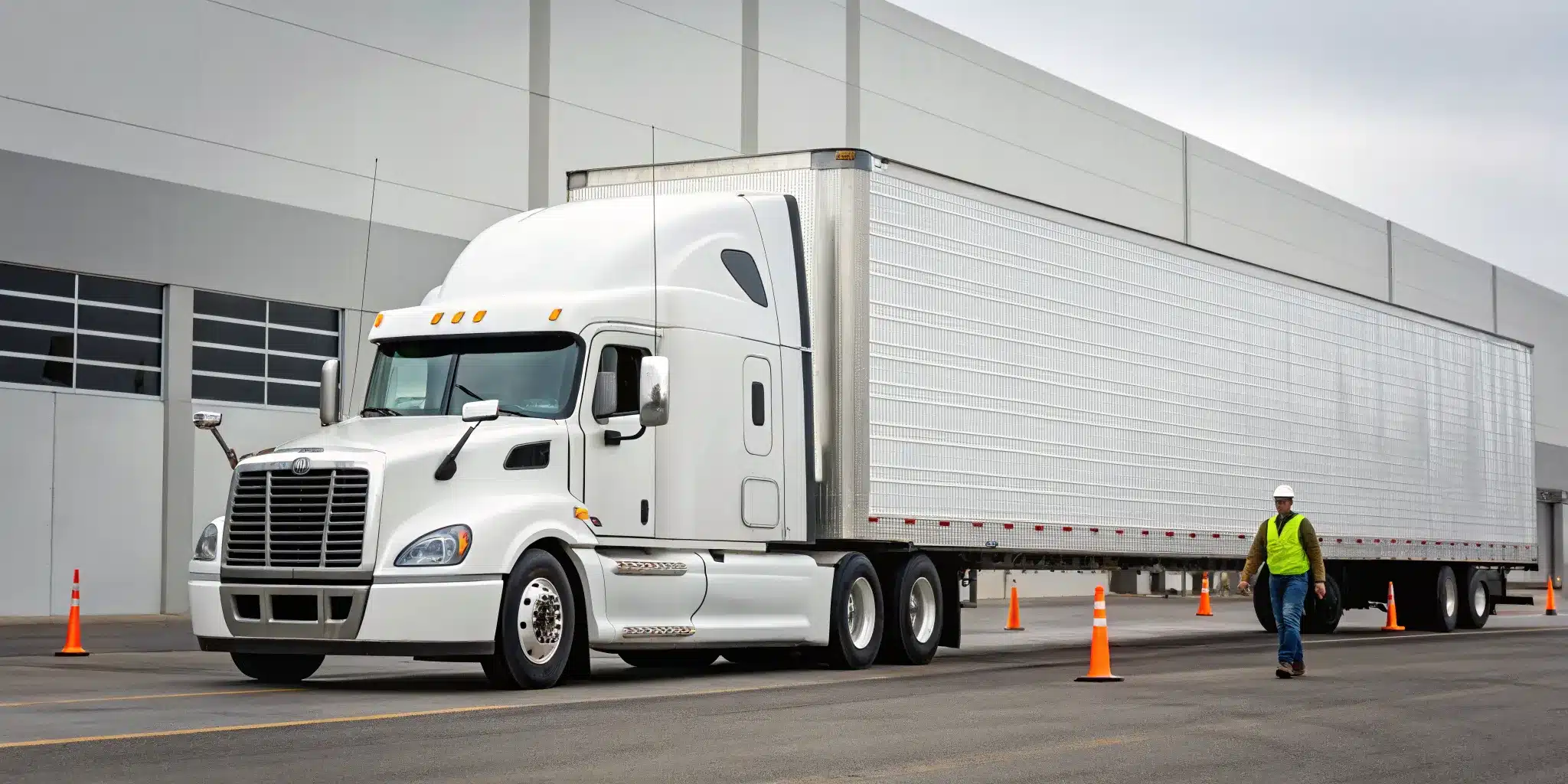
So, what exactly can you operate with a Class A CDL? This license gives you the authority to drive any combination of vehicles with a gross combination weight rating (GCWR) of 26,001 pounds or more, as long as the trailer you’re towing weighs over 10,000 pounds. In plain English, this covers the classic tractor-trailers you see on the highway. It also includes truck and trailer combinations, flatbeds, and tankers. With the right endorsements, you can also operate most Class B and Class C vehicles, making it the most versatile license you can get.
Understanding Weight Requirements
The weight requirements for a Class A CDL are specific for a reason: safety. The key numbers to remember are 26,001 and 10,000. Your entire setup, the truck and the trailer combined, must have a potential weight of over 26,001 pounds, and the trailer alone must be rated to weigh more than 10,000 pounds. These regulations ensure that drivers who operate these massive rigs have received the proper training to manage the unique challenges that come with that much weight, like longer stopping distances and wider turns. Mastering these skills is what separates a professional driver from everyone else on the road.
Do You Qualify for a Class A CDL?
Thinking about getting your Class A CDL is the first step toward a rewarding career on the open road. But before you can get behind the wheel of a big rig, you need to meet a few key qualifications. These requirements are in place to ensure everyone on the road is safe and well-prepared. Think of it as a checklist to get you started. Once you’ve confirmed you meet these standards, you’re well on your way to taking control of your career, perhaps even as an owner-operator through a program like our Rent 2 Own path. Let’s walk through exactly what you’ll need.
Meeting Age and Residency Rules
First things first, let’s talk about age. To get a CDL of any class, you must be at least 18 years old. However, if your goal is to drive across state lines, which is known as interstate commerce, you need to be at least 21. Since most long-haul trucking jobs involve crossing state borders, that 21-and-up rule is the one to focus on. This is also the minimum age for hauling hazardous materials. You’ll also need to be a resident of the state where you’re applying and have a valid, non-commercial driver’s license to start the process. It’s all about establishing a home base before you hit the highway.
Passing Your DOT Physical
Your health is your most important asset on the road, which is why every aspiring CDL holder must pass a Department of Transportation (DOT) physical. This isn’t an intense medical exam; it’s a straightforward check-up to confirm you’re physically fit for the demands of driving a commercial vehicle. You’ll need to get this done by a certified medical examiner listed on the FMCSA’s National Registry. After you pass, you’ll receive a medical certificate that you must keep with you. You’ll also self-certify with your state’s DMV, which is simply a formal declaration of the type of driving you intend to do (like interstate trucking).
Clearing Background and Driving Record Checks
Safety is the backbone of the trucking industry, so a clean driving record is a must. Your motor vehicle record will be reviewed, and any serious offenses like DUIs, leaving the scene of an accident, or using a vehicle in a felony can be disqualifying. It’s about demonstrating that you’re a responsible and reliable driver. You’ll also undergo a background check as part of the process. This is a standard procedure to ensure the security of the cargo you’ll be hauling and the safety of the public. A history of responsible driving is your ticket to getting approved and building a trustworthy reputation in your career.
Completing Entry-Level Driver Training (ELDT)
To ensure every new driver starts with a strong foundation, federal regulations require all new Class A CDL applicants to complete Entry-Level Driver Training (ELDT). This isn’t just a suggestion; it’s a mandatory step. The training is split into two parts: a theory portion covering rules and safety, and a behind-the-wheel portion where you practice your skills with a qualified instructor. You must complete your training with an approved school or program listed on the official Training Provider Registry. This standardized training ensures you have the essential knowledge and hands-on experience needed to operate a commercial vehicle safely and confidently from day one.
Passing Your Class A CDL Tests
This is where all your hard work pays off. After completing your training, the final step is to pass the official CDL tests. It’s a comprehensive process that includes a written knowledge exam and a hands-on, three-part skills test. Both are designed to confirm you have the knowledge and ability to operate a commercial vehicle safely and confidently. Think of it less as a final hurdle and more as your official entry into the world of professional driving, the last step before you can start your career.
Many aspiring drivers focus heavily on the driving portion, but the written exam is just as critical. Underestimating it is a common mistake that can delay your progress. Likewise, the skills test isn’t just about driving in a straight line; it covers detailed vehicle inspections, precise maneuvering, and handling real-world road conditions with an examiner watching your every move. The key is to approach each section with a solid study plan and plenty of practice. With the right preparation, you can walk into your test day feeling ready and capable. Let’s break down what you can expect from each part of the exam and how you can set yourself up for success on your path to becoming an owner-operator. This license is your ticket to greater freedom and higher earning potential in the trucking industry.
The Written Knowledge Exam
Before you get behind the wheel for your test, you need to pass the written knowledge exam. Don’t take this part lightly. Your state’s CDL manual is your best friend here, so review it thoroughly. The exam covers general trucking knowledge, air brakes, and combination vehicles. The best way to prepare is to take multiple practice tests online. This helps you get comfortable with the question format and, more importantly, identify any areas where you might be weak. If you keep missing questions about air brake systems, you know exactly what chapter to go back and study. A solid score here builds the foundation for everything that follows.
The Three-Part Skills Test
Once you’ve passed the written exam, it’s time to show what you can do on the road. The skills test is a hands-on driving exam with an examiner, and it’s broken into three distinct parts. First is the pre-trip vehicle inspection, where you’ll walk the examiner around the truck and point out key components, explaining that they are safe and in good working order. Next are the basic control skills, which test your ability to handle the rig in tight spaces. This is where you’ll perform maneuvers like backing up in a straight line, offset backing, and parallel parking. Finally, you’ll head out for the on-road driving test to demonstrate you can safely operate the vehicle in real traffic.
Tips for Test Day Success
Feeling nervous before a big test is completely normal. The best way to manage that anxiety is to be well-prepared. One of the biggest mistakes people make is simply not studying enough or getting enough practice behind the wheel. Make sure you’ve put in the time. The night before, get a good night’s sleep and try to relax. On the day of the test, eat a solid breakfast, arrive at the testing center a little early, and double-check that you have all your required documents. Remember your training, trust your skills, and take a deep breath. You’ve prepared for this, and you’re ready to prove it.
Class A vs. Class B and C: What’s the Difference?
When you’re mapping out your trucking career, it’s easy to get tangled in the alphabet soup of CDL classes. While all commercial licenses get you on the road, they open doors to very different types of driving jobs and equipment. Understanding the key distinctions between Class A, B, and C licenses is the first step in making sure you’re on the right path for your goals, especially if you dream of hauling major freight across the country.
Class A vs. Class B Capabilities
Think of a Class A CDL as your all-access pass to the world of trucking. It allows you to operate combination vehicles with a total weight of 26,001 pounds or more, where the trailer being towed weighs over 10,000 pounds. This is the license for driving the big rigs: tractor-trailers, 18-wheelers, and tanker trucks. It’s the standard for long-haul and over-the-road freight, offering the most flexibility and the highest earning potential. The career opportunities available to Class A holders are vast, as this license also allows you to operate Class B and C vehicles.
A Class B CDL, on the other hand, is for large single vehicles that weigh more than 26,001 pounds, like dump trucks, box trucks, and city buses. You can tow a small trailer, but it must weigh 10,000 pounds or less. Class B jobs are often local, focusing on construction, transit, or delivery within a specific region.
Understanding Class C Limitations
The Class C CDL is the most specialized of the three and is designed for vehicles that don’t meet the weight requirements of Class A or B. This license is typically for driving vehicles that can transport 16 or more passengers (including the driver), such as large passenger vans or small buses. It’s also required for smaller vehicles used to transport certain hazardous materials, which would require a HAZMAT endorsement. While essential for specific industries, a Class C license won’t qualify you to operate the heavy-duty trucks used for hauling freight. For anyone aiming to build a business as an owner-operator, the Class A license is the clear choice.
Choosing Your Class A CDL Training Path
Okay, you’re ready to get your Class A CDL. Now comes the big question: where do you get your training? You have a few solid options, and the right one for you depends on your budget, timeline, and how you learn best. Think of it as choosing your on-ramp to the highway. Whether you go with a traditional school, a private program, or a company-sponsored route, each path can get you to your destination. Let’s break down what each one looks like so you can make a confident choice.
CDL Schools vs. Private Programs
This is the most traditional route. CDL schools offer structured, comprehensive programs that cover every angle of truck driving. You’ll get a mix of classroom instruction and essential hands-on experience behind the wheel. Many programs focus on experiential learning to make sure you’re truly road-ready. Private programs can sometimes offer more flexible scheduling, but it’s important to do your research and ensure they meet all state and federal training requirements. Both can be great options for building a strong foundation for your driving career.
The Perks of Company-Sponsored Training
Let’s be real: training can be expensive, and that cost is a major hurdle for a lot of aspiring drivers. This is where company-sponsored training really shines. Many trucking companies will cover your training costs upfront in exchange for a commitment to drive for them for a certain period after you’re licensed. It’s a fantastic way to get your career started without taking on debt. Plus, you have a job waiting for you the moment you pass your exam. This path removes a lot of the financial stress and uncertainty, letting you focus completely on learning the skills you need to succeed on the road.
How Long Does Training Take?
Forget the myth that getting your CDL takes years. Most Class A CDL training programs are designed to get you on the road in a matter of weeks, not months. The exact timeline depends on whether you choose a full-time or part-time program, but you can realistically expect to spend between three to seven weeks in training. All new drivers must complete the federal Entry-Level Driver Training requirements, which cover basic operations and safety procedures. This standardized curriculum ensures you have the core knowledge you need, and it’s built to be completed efficiently so you can start your career sooner.
Adding Endorsements to Your Class A CDL
Think of your Class A CDL as the foundation of your driving career. Endorsements are the specializations you build on top of it. These extra certifications show you have the knowledge and skill to haul specific types of freight, from hazardous materials to liquid tankers. For any driver with an eye on becoming an owner-operator, getting the right endorsements is a strategic move that opens up a wider world of opportunities and puts more money in your pocket.
Why put in the extra effort? It comes down to simple economics. Specialized loads almost always pay more. When you’re running your own business, that higher rate per mile goes directly to your bottom line. Having endorsements also gives you incredible flexibility. If the dry van market is slow, you can pivot to tanker loads. This versatility keeps you rolling and earning, no matter what the market is doing. It also gives you a serious competitive advantage. When you’re looking for freight, having Hazmat or Tanker endorsements makes you eligible for loads that a huge portion of other drivers can’t even touch. This is how you build a resilient and profitable business. With AG Express Line’s Rent 2 Own program, having these qualifications means you can accept a broader range of high-paying loads, accelerating your path to true ownership and financial independence.
Popular Endorsements and Why You Need Them
Not all endorsements are created equal, especially when your goal is to maximize earnings as a freight hauler. Focusing on a few key endorsements can make a huge difference. The most valuable ones for owner-operators are typically the “money endorsements” that qualify you for specialized, higher-paying freight.
Here are the top ones to consider:
- H Endorsement (Hazardous Materials): This allows you to transport materials that require placards. It involves a written test and a TSA security threat assessment, but it unlocks some of the most lucrative loads in the industry.
- N Endorsement (Tanker Vehicles): This is required for hauling liquids or liquefied gases in a tank. It’s a steady, profitable niche with consistent demand.
- T Endorsement (Doubles/Triples): This certifies you to pull more than one trailer. It’s essential for many LTL and parcel freight operations.
- X Endorsement (Tanker/Hazmat Combo): This combines the H and N endorsements, making you a top-tier candidate for hauling hazardous liquids like fuel or chemicals.
How to Get Specialized Endorsements
Getting an endorsement is a straightforward process that pays for itself quickly. The first step is to complete the required Entry-Level Driver Training (ELDT) for that specific certification. You must receive this training from a provider listed on the official FMCSA Training Provider Registry. This ensures your training meets federal standards and that you’re properly prepared for the exam and the real-world demands of the job.
Once you’ve completed your training, you’ll head to your local DMV to take the written knowledge test for the endorsement. For the Hazmat (H) endorsement, you’ll also need to pass a Transportation Security Administration (TSA) background check. While it requires a bit of extra study and paperwork, each endorsement you add to your license is a powerful tool for building your career and your business.
The Biggest Perks of a Class A CDL
Getting your commercial driver’s license is a big deal, but choosing the right class of license can completely shape your career path. A Class A CDL isn’t just another piece of plastic for your wallet; it’s the key that opens the most doors in the trucking industry. From higher paychecks to the freedom of owning your own business, the benefits are substantial. If you’re serious about building a long-term, profitable career on the road, here’s why a Class A license is the best investment you can make in yourself.
Unlocking More Career Opportunities
Think of the Class A CDL as the master key of the trucking world. It’s often called the “universal” CDL because it qualifies you to drive the widest variety of commercial trucks, including tractor-trailers, flatbeds, and tankers. With the right endorsements, you can also operate vehicles that fall under Class B and Class C. This versatility means you aren’t stuck in one lane. You have the flexibility to haul different types of freight and pursue a wider range of jobs, giving you more stability and control over your career from day one. You’ll never find yourself limited by the license you hold.
Maximizing Your Earning Potential
It’s simple math: more job opportunities equal greater earning potential. The demand for qualified Class A drivers is consistently high, which gives you leverage for better pay and stronger job security. This isn’t just about finding a job; it’s about building a lucrative and fulfilling career that can support you and your family for years to come. Companies are always looking for skilled drivers who can handle the big rigs, and they’re willing to pay for that expertise. With a Class A license, you’re in the driver’s seat of your financial future, with plenty of career opportunities to explore.
Your First Step to Becoming an Owner-Operator
If your ultimate goal is to be your own boss, a Class A CDL is non-negotiable. To become a successful owner-operator, you need the freedom to haul the most profitable loads, and that almost always requires a Class A license. It’s the foundational step toward independence. Once you have your license, you can start thinking about the next move, like finding the right truck and the right partner to support your business. Programs like our Rent 2 Own model are designed for ambitious drivers like you, providing a clear path from company driver to business owner. Once you have the right experience, compare lease purchase trucking companies carefully before choosing a path to truck ownership. It all starts with getting that Class A.
What’s the Cost of Class A CDL Training?
Let’s talk about the elephant in the room: the cost. Getting your Class A CDL is an investment, and it’s smart to know what you’re getting into financially. The price of training can seem like a major roadblock, but it’s more manageable than you might think. When you look at it as the entry fee to a stable and profitable career, the numbers start to make a lot more sense. The key is to understand what you’re paying for and explore the different ways you can fund your training.
Breaking Down Training Costs and Financing
The cost of CDL training school typically ranges from $3,000 to $10,000, depending on the program and location. This isn’t just a fee for a license; it’s payment for a comprehensive education. Your tuition covers the federally required Entry-Level Driver Training (ELDT), which includes classroom theory, behind-the-wheel instruction on the range, and on-road practice. You’ll learn everything from basic vehicle operations and safety procedures to advanced driving techniques.
Don’t let the initial sticker price stop you. Many schools offer financing options, payment plans, or help you find loans. You can also look into grants, scholarships, and workforce development programs in your state that are designed to get people into high-demand fields like trucking.
Is the Investment Worth It?
Absolutely. Think of your CDL training not as a cost, but as an investment in your future. A Class A CDL opens the door to a lucrative career with high demand and solid earning potential right from the start. The initial expense is often quickly offset by the income you can earn in your first year on the road. For many drivers, this license is the essential first step toward achieving bigger goals.
If your dream is to be your own boss, a Class A CDL is your ticket to making it happen. It qualifies you for the best driving jobs and gives you the foundation needed to eventually become an owner-operator. Programs like our Rent 2 Own model are designed for ambitious drivers like you who are ready to take control of their careers and build a successful business.
Common Roadblocks to Getting Your CDL (and How to Beat Them)
Getting your Class A CDL is a major step toward a rewarding career, but the path isn’t always a straight shot. It’s easy to get sidetracked by rumors, pre-test jitters, or worries about the time and money involved. The good news is that these challenges are completely normal, and millions of drivers have successfully worked through them. Think of them not as stop signs, but as hurdles you can clear with a bit of planning and the right information.
Let’s walk through some of the most common roadblocks that aspiring drivers face. We’ll clear up a few myths that might be holding you back, talk about how to handle test-day nerves, and look at practical ways to manage the logistics of getting your license. With a clear head and a solid plan, you can stay focused on the road ahead and achieve your goal of earning that CDL.
Clearing Up Common Misconceptions
One of the biggest hurdles is simply bad information. For instance, a lot of people think you need years of driving experience before you can even apply to a CDL program. The truth is, many training schools are designed for beginners and will teach you everything you need to know from the ground up. Another one of the most common CDL myths is that training is impossibly expensive. While it is an investment in your future, there are many affordable programs, financing options, and even company sponsorships available that make it much more accessible than you might think.
Overcoming Test Anxiety
Feeling nervous before a big exam is a universal experience, and the CDL test is no exception. Acknowledging that it’s normal to have some anxiety is the first step to managing it. The best way to build confidence and calm your nerves is through preparation. The more you practice your pre-trip inspection, maneuvers, and road skills, the more they’ll feel like second nature. The same goes for the written exam. Taking practice tests and really digging into the driver’s manual will help you walk into test day feeling ready. This ultimate guide to passing the exam can give you an extra edge.
Planning Your Time and Finances
Concerns about the time commitment and financial investment are valid, but they are often overestimated. Many people believe it takes too long to get a CDL, but most full-time training programs can be completed in just a few weeks, not months. This efficient timeline gets you on the road and earning money faster. As for the cost, remember that you’re investing in a career with high earning potential. Look into financial aid, grants, or company-sponsored training programs that can cover your upfront costs in exchange for a commitment to drive for them. These trucking career myths shouldn’t stop you from pursuing a great opportunity.
Keeping Your Class A CDL Active
Earning your Class A CDL is a major milestone, but the work doesn’t stop there. Keeping your license active is crucial for staying on the road and building your career. It involves a little bit of planning and staying on top of a few key responsibilities. Think of it as routine maintenance for your career. By handling renewals, staying compliant with federal regulations, and keeping your driving record clean, you ensure that your license remains a valuable asset. This protects your livelihood and opens doors to better opportunities, like becoming an owner-operator. Let’s walk through exactly what you need to do to keep your CDL in good standing.
Staying on Top of Renewals
Missing your CDL renewal deadline can lead to unnecessary headaches, including late fees and potential downtime. Every state has its own schedule and fees, so it’s important to know the specific requirements where you live. For example, some states require renewal every four years. The best approach is to be proactive. Check your state’s DMV website for the exact renewal process and costs. Mark the expiration date on your calendar with a reminder set a few months in advance. This gives you plenty of time to gather any required documents and handle the renewal without the last-minute rush.
Understanding Clearinghouse Compliance
If you hold a CDL, you are required to be registered with the FMCSA Drug and Alcohol Clearinghouse. This is a secure online database that gives employers and government agencies real-time information about drug and alcohol program violations. Your state’s DMV will check your status in the Clearinghouse. If you’re listed in a “prohibited” status due to a violation, you risk having your CDL downgraded or canceled. To fix this, you must complete the official return-to-duty process. Staying compliant is non-negotiable for keeping your license active and your career on track.
Maintaining a Clean Safety Record
A clean driving record is one of your most powerful professional tools. It’s not just about avoiding tickets; it’s about demonstrating your commitment to safety and responsibility on the road. Consistently safe driving is essential for keeping your Class A CDL active and avoiding penalties that could put your license at risk. Beyond compliance, a strong safety record makes you a more attractive candidate for great opportunities. Companies look for reliable drivers who prioritize safety, and a clean record proves you’re one of them. It’s the foundation of a long and successful career in trucking.
Related Articles
Frequently Asked Questions
How long does it actually take to get a Class A CDL from start to finish? While the training program itself might only last three to seven weeks, the entire process from your first day of studying to having the license in your hand usually takes a couple of months. You have to factor in time to get your commercial learner’s permit, pass your DOT physical, complete the required training, and then schedule and pass your final skills test. The key is to be patient and methodical, as each step builds on the last.
What’s the most common mistake people make when trying to get their license? One of the biggest missteps is underestimating the written knowledge exam. Many people focus so much on the driving portion that they don’t spend enough time studying the CDL manual. Passing the written test is your ticket to the skills test, so give it the attention it deserves. Taking plenty of online practice tests is a great way to make sure you’re truly prepared for the real thing.
Should I get endorsements right after I get my license? You don’t have to get them all at once. My advice is to focus on earning your Class A CDL first. Once you have it, you can start driving and get a feel for the industry. From there, you can strategically add endorsements like Tanker (N) or Hazmat (H) as you see which types of freight are most profitable or interesting to you. This approach lets you start earning money sooner while planning your next career move.
Is company-sponsored training really free, or is there a catch? Company-sponsored training is a legitimate and fantastic option, especially if you don’t have thousands of dollars for school upfront. It’s not a catch, but it is a trade-off. In exchange for paying for your training, you typically agree to drive for that company for a set period, usually about a year. It’s a great way to get your career started without debt, as long as you’re comfortable with the work commitment.
Once I have my Class A CDL, what’s the next step toward becoming an owner-operator? After you get your license, the most important next step is to get quality on-the-road experience. Focus on building a solid year or two of driving experience while maintaining a clean safety record. This proves your reliability and skill. Once you have that foundation, you can start exploring paths to ownership, like our Rent 2 Own program, which is designed to help experienced drivers get into their own truck and start building their business.