For many professional drivers, getting a CDL is just the first step. The real goal is to build something of your own: a business, a legacy, and true financial freedom. Over-the-road trucking is the foundation for that journey. It’s where you prove your skills, learn the industry, and build the kind of professional reputation that opens doors. This isn’t just about driving; it’s about becoming a logistics expert and a business owner on wheels. In this article, we’ll cover everything you need to know to get started, from the pros and cons to how your OTR experience can become the launchpad for becoming a successful owner-operator.
Key Takeaways
- Understand the OTR trade-off: While over-the-road trucking offers great pay and a chance to see the country, success requires discipline. Your daily routine will be built around safety inspections and strict Hours of Service rules, not just open highways.
- Get experience even when you’re new: Your CDL is your ticket in, but seat time is what matters. Find company-sponsored training or team driving roles to get the professional experience you need to start a successful solo career.
- Choose a company that invests in your future: The right partner makes all the difference in your earnings and career growth. Prioritize companies that offer a clear path to ownership and a pay structure that directly rewards your hard work.
What Is OTR Trucking?
If you’ve ever wanted a career with a corner office that overlooks the entire country, OTR trucking might be for you. OTR stands for “over-the-road,” and it’s the job of transporting goods over long distances, often across state lines and even coast to coast. This isn’t your local delivery route; it’s a lifestyle built around the open road, independence, and the hum of the engine. OTR drivers are the backbone of our economy, ensuring everything from fresh produce to electronics gets where it needs to go safely and on time.
As an OTR driver, you’re in charge of massive hauls, managing your schedule, and seeing the country in a way few people ever do. It requires a special kind of self-motivation and professionalism. You’re not just a driver; you’re a logistics expert on wheels. Companies like AG Express Line offer comprehensive logistics services that rely on skilled OTR drivers to keep supply chains moving smoothly. It’s a career that offers incredible freedom but also demands responsibility and a solid understanding of what life on the road entails before you jump in.
OTR vs. Regional vs. Local Driving
To really understand OTR, it helps to see how it compares to other driving jobs. Think of it on a spectrum. On one end, you have local driving, where you’re typically home every night. Then there’s regional driving, which covers a specific part of the country, like the Midwest or the Southeast. Regional drivers are on the road for a few days or a week at a time but usually get home for the weekend. Many drivers consider this a great balance, and it’s often counted as valuable OTR experience. OTR is the full long-haul experience, taking you across the country for weeks at a time before you head home.
Time on the Road and Miles Covered
So, what does “weeks at a time” really mean? The OTR lifestyle is a serious commitment. Many long-haul truckers spend up to 300 days a year making deliveries. A single load can take you anywhere from 400 to over 900 miles, meaning you’ll cross multiple states on a regular basis. This is a job where you measure your progress in miles, not hours. While it means significant time away from home, it also translates to higher earning potential and the unique opportunity to explore the country while building a career. It’s a trade-off that defines the long-haul lifestyle and attracts those with a true sense of adventure.
A Day in the Life of an OTR Driver
If you’re picturing endless open roads and new horizons, you’re not wrong. But a successful career in over-the-road trucking is built on routine, discipline, and a sharp focus on safety. While no two days are identical, there’s a predictable rhythm that keeps you, your truck, and your cargo moving efficiently.
As an OTR driver, you are the captain of your ship. You manage your time, your vehicle, and your responsibilities with a level of independence many other jobs don’t offer. This autonomy is a huge part of the appeal, especially for drivers looking to become owner-operators. It’s about more than just driving; it’s about running your own mobile business. Let’s walk through what a typical day looks like.
Your Daily Schedule and HOS Rules
Your day usually starts before the sun comes up. Most OTR drivers are on the road for 10 or more hours a day, but you can’t just drive until you’re tired. Your schedule is structured by the federal Hours of Service (HOS) rules, which are designed to keep everyone safe. Generally, you’ll need to take a 30-minute break after driving for eight hours. After you’ve been on duty for 14 hours (which includes up to 11 hours of driving), you must take a 10-hour break. Mastering your clock is one of the most important skills you’ll develop. It dictates when you drive, eat, and sleep, ensuring you’re always alert behind the wheel.
Pre-Trip and Post-Trip Inspections
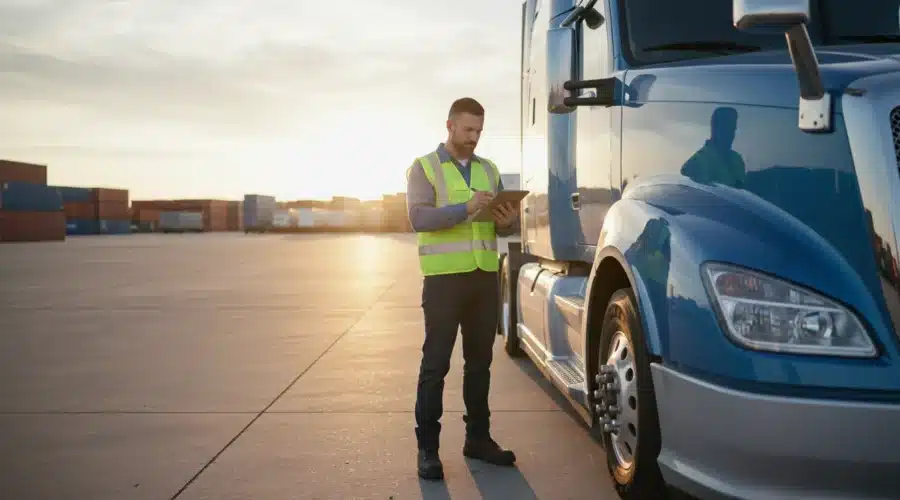
Your truck is your business partner, and you need to make sure it’s in top shape every single day. Before you even start rolling, you’ll conduct a thorough pre-trip inspection. This means walking around your rig, checking your tires, brakes, lights, fluids, and coupling. It’s a critical safety habit that protects you and your load. At the end of your driving day, you’ll do a post-trip inspection to catch any issues that may have come up on the road. Keeping detailed records of these checks and your travel time is also a key part of the job. This diligence is what separates professionals from amateurs and is essential for anyone in a Rent 2 Own program.
Working with Dispatch and Managing Loads
Clear communication with your dispatch team is essential. They are your link to load information, delivery schedules, and route changes. You’ll be responsible for transporting all kinds of freight services, from food and retail goods to heavy machinery, across long distances. While you have some flexibility, you must meet deadlines for time-sensitive deliveries. Your job is to get the shipment from point A to point B safely and on time. Building a good relationship with dispatch makes everything run smoother and helps you get the consistent miles you need to be successful. It’s a partnership that helps you meet your professional and financial goals.
What Is a Class A CDL?
Before you can hit the open road as a professional OTR driver, you need the right license. A Class A Commercial Driver’s License (CDL) is the top-tier credential in commercial driving. It’s what qualifies you to operate the largest vehicles on the road, the tractor-trailers, 18-wheelers, flatbeds, and tanker trucks that form the backbone of the nation’s freight network.
According to the Federal Motor Carrier Safety Administration (FMCSA), a Class A CDL is required for any combination vehicle with a gross combination weight rating (GCWR) of 26,001 pounds or more, where the trailer being towed weighs over 10,000 pounds. In plain terms, if you want to drive a big rig for a living, this is the license you need.
What You Can Drive with a Class A License
A Class A CDL gives you access to the widest range of commercial vehicles in the industry, including:
- Tractor-trailers and 18-wheelers for the standard long-haul OTR freight
- Flatbed trucks for hauling oversized or open cargo
- Tanker trucks for liquid or gas loads (with the proper endorsement)
- Doubles and triples for multi-trailer freight operations
- Most Class B and Class C vehicles making it the most versatile license you can hold
This versatility is exactly why a Class A CDL is the foundation for becoming a successful owner-operator. It doesn’t lock you into one type of freight. It opens doors across the entire industry.
Understanding the Weight Requirements
The key numbers to remember are 26,001 and 10,000. Your combined setup, truck and trailer together, must have a potential gross weight of over 26,001 pounds, and the trailer alone must be rated over 10,000 pounds. These thresholds exist for a reason: operating a vehicle of this size comes with unique challenges like longer stopping distances, wider turn radii, and more complex handling. Meeting the licensing standard means you’ve been trained to handle all of it safely and professionally.
What Do You Need to Become an OTR Driver?
Ready to hit the open road? Becoming a professional over-the-road driver is a straightforward process, but it requires dedication and meeting specific federal and state standards. Before you can get behind the wheel of a big rig, you’ll need to get the right license, consider extra qualifications to increase your earning potential, and prove you’re medically fit for the job. Think of these steps as the foundation of a long and successful career in trucking. Let’s walk through exactly what you’ll need to get started.
Getting Your CDL
Your Commercial Driver’s License (CDL) is the most important document you’ll earn. To get started, you typically need a high school diploma or GED. The first step is to obtain your Commercial Learner’s Permit (CLP), which involves passing a written knowledge test. Once you have your permit, you can start your behind-the-wheel training with a qualified instructor. This hands-on experience is where you’ll learn to safely operate a commercial vehicle. After you’ve logged enough practice hours, you’ll take a final skills test, which includes a vehicle inspection, basic controls, and a road test. Passing this final exam is your ticket to earning your full CDL.
Helpful Certifications and Endorsements
While a Class A CDL is the standard for OTR trucking, you can open the door to more job opportunities and higher pay by adding endorsements to your license. These are special certifications that show you’re qualified to haul specific types of freight. For example, you might need an endorsement for special cargo like hazardous materials (HAZMAT), tanker vehicles, or double and triple trailers. Each endorsement requires passing an additional knowledge test, and some, like HAZMAT, also involve a background check. Earning these extra qualifications makes you a more versatile and valuable driver in the industry.
Meeting Physical and Medical Standards
The trucking industry puts a high priority on safety, which is why all drivers must meet certain medical requirements. Before you can even get your learner’s permit, you’ll need to pass a Department of Transportation (DOT) physical and a vision exam. This physical is conducted by a certified medical examiner who will check your blood pressure, vision, hearing, and overall health to ensure you’re fit for the demands of driving long hours. You’ll receive a medical certificate that you must keep with you whenever you’re on duty. This isn’t a one-time check; you’ll need to renew your medical certificate periodically throughout your career to stay compliant and safe on the road.
CDL Endorsements: How to Maximize Your Earning Potential
Your Class A CDL gets you on the road, but the right endorsements are what take your earning potential to the next level. Think of endorsements as specializations you build on top of your base license. Each one certifies you to haul a specific type of freight, and specialized loads almost always pay more. For any driver serious about becoming an owner-operator, adding the right endorsements is one of the smartest career moves you can make.
The logic is simple: the more loads you’re eligible to haul, the more leverage you have over your income. When one segment of the market slows down, an endorsed driver can pivot to a different freight type and keep earning. That flexibility is a huge advantage when you’re running your own business.
The Most Valuable Endorsements for OTR Drivers
- H, Hazardous Materials (HAZMAT): Allows you to transport materials that require placards, such as chemicals, flammables, and explosives. This endorsement requires a written knowledge test and a TSA security threat assessment, but it unlocks some of the most lucrative loads in the industry.
- N, Tanker Vehicles: Required for hauling liquids or liquefied gases in a tank. Tanker freight is a steady, high-demand niche with consistent pay rates.
- T, Doubles/Triples: Certifies you to pull more than one trailer at a time. Essential for many LTL (less-than-truckload) and parcel freight operations.
- X, Tanker/HAZMAT Combo: Combines the H and N endorsements, making you a top-tier candidate for hauling hazardous liquids like fuel or industrial chemicals, one of the highest-paying freight categories on the road.
How to Get an Endorsement
The process is straightforward. First, complete the required Entry-Level Driver Training (ELDT) for the specific endorsement you’re pursuing, through a provider listed on the FMCSA’s official Training Provider Registry. Then, head to your state’s DMV to take the written knowledge test. For the HAZMAT endorsement, you’ll also complete a TSA background check. Each endorsement requires a bit of extra study time, but the payoff, access to higher-paying loads and a stronger competitive position, makes it well worth the effort.
How to Get OTR Experience as a New Driver
Breaking into over-the-road trucking can feel like a classic catch-22: you need experience to get a job, but you need a job to get experience. Many companies look for drivers with at least six months of OTR time, which is a major hurdle when you’re just starting out. The good news is that this is a common challenge with clear solutions. Your first year is crucial for laying the foundation for a successful career, turning your CDL knowledge into real-world expertise. It’s all about finding the right opportunity to prove yourself and get the seat time you need. Here are a few proven ways to do it.
Find Company-Sponsored Training
One of the most direct routes into the industry is through company-sponsored training. Many large carriers understand the need for new drivers and have created programs to fill that gap. These companies will hire you with little experience and provide the hands-on OTR training you need to become a confident solo driver. You’ll be paired with a certified trainer who rides with you for several weeks, guiding you through trip planning, load management, and handling tricky weather. It’s an excellent way to earn a paycheck while you learn the ropes from a professional.
Consider Entry-Level or Team Driving Roles
If you have your CDL but are struggling to find a solo OTR position, look for entry-level or team driving roles. Team driving is a fantastic way to accumulate miles quickly while learning from a more seasoned partner. You’ll share the driving duties, so the truck is almost always moving, and you’ll have someone right there to ask questions and get advice. Even a few months of safe OTR driving in a team role can give you a significant advantage when you apply for your next job. It shows future employers that you’re reliable and serious about your career.
Start Your Career with AG Express Line’s Rent 2 Own Program
Once you have some experience and are ready to control your career, it’s time to think about your long-term goals. Instead of working paycheck to paycheck as a company driver, you can become a successful owner-operator. At AG Express Line, we help hard-working professionals make that leap. Our Rent 2 Own program is designed for ambitious drivers who want to be their own boss. We provide the truck and support you need to build your own business, giving you the freedom you’ve been working toward. If you’re ready to build your future, you can apply to drive with us today.
The Pros and Cons of OTR Trucking
Over-the-road trucking is a unique lifestyle with its own set of rewards and challenges. It’s not just a job; it’s a commitment that shapes your daily life. Understanding both sides of the coin can help you decide if this is the right path for you and how to prepare for what’s ahead. For many, the freedom of the open road and the financial opportunities are well worth the trade-offs. Let’s break down what you can realistically expect from life as an OTR driver.
The Perks: Great Pay and Seeing the Country
Let’s start with the good stuff. OTR trucking offers excellent earning potential, especially for motivated owner-operators. When you’re putting in the miles, you’re building a solid financial future. At AG Express Line, we believe in empowering our drivers, which is why we offer 80% of the gross load to help you maximize your income. Beyond the pay, this career gives you a front-row seat to the entire country. You’ll see landmarks you’ve only read about, discover hidden gems in small towns, and experience the diverse landscapes of America. It’s a chance to turn your work into an adventure, taking days off in new cities and truly exploring the country you’re driving through.
The Challenges: Time Away from Home
The biggest challenge for most OTR drivers is the time spent away from family and friends. Being on the road for weeks at a time means missing birthdays, holidays, and everyday moments. This is a significant sacrifice and a major reason why OTR trucking isn’t for everyone. It takes a strong support system and good communication skills to maintain relationships from a distance. Before you commit, have an honest conversation with your loved ones about what to expect. Planning regular home time and using video calls to stay connected can make a huge difference in bridging the distance and keeping those important bonds strong.
How to Stay Healthy on the Road
Your truck is your home and office, which can make staying healthy a bit tricky. The constant sitting, irregular sleep schedules, and abundance of fast food at truck stops can take a toll. However, many successful drivers have figured out how to prioritize their well-being. Instead of relying on truck stop meals, you can prepare healthy food at home and store it in a fridge or cooler. Many trucks can be equipped with slow cookers or microwaves, making it easy to cook nutritious meals right in your cab. Finding time for exercise, even if it’s just a brisk walk or some stretches during your breaks, is also key to feeling your best on long hauls.
A Realistic Look at OTR Pay and Lifestyle
Over-the-road trucking is more than a job; it’s a lifestyle. Before you commit to life on the open road, it’s important to have a clear picture of what you can earn and what your day-to-day will actually look like. The pay can be excellent, and modern technology has made life in the cab more comfortable than ever. However, it also requires a unique ability to balance work with your life back home. Understanding these realities will help you decide if an OTR career is the right move for you and set you up for long-term success.
What You Can Expect to Earn
Let’s talk numbers. As a new OTR driver, you can expect to earn a solid income, with first-year pay averaging around $53,916. As you gain experience, that number grows significantly. The average yearly pay for an experienced OTR driver is about $117,527, with weekly earnings often falling around $2,420. Your income potential is directly tied to your hard work and the loads you take. When you partner with a company like AG Express Line, our Rent 2 Own program puts you in the driver’s seat of your career, allowing you to keep 80% of the gross load and build your own business.
Balancing Home Time and Life on the Road
One of the biggest adjustments for any OTR driver is being away from home for long periods. You’ll spend many days and nights on the road, often driving 10 or more hours a day. To keep everyone safe, you must follow strict Hours of Service (HOS) rules, which dictate your driving time and required rest breaks. This schedule requires discipline and planning. While you’ll get to see the country in a way few others do, it means finding new ways to stay connected with family and friends. Finding a company that respects your independence is key to creating a sustainable work-life balance.
Tech That Makes Your Job Easier
Life on the road has changed a lot over the years, thanks to technology. Your truck is your home, and modern cabs can be outfitted with amenities that make it much more comfortable. With fast internet, you can stream your favorite shows, video chat with family, or even get in some gaming during your downtime. Many drivers have a fridge and microwave, which means you’re not just stuck with truck stop food. You can prepare and pack your own meals, helping you eat healthier and save money. These small comforts make a huge difference in making your cab feel like a true home away from home.
Owner-Operator vs. Company Driver: What the Difference Really Means for Your Paycheck
Salary averages only tell part of the story. How you’re paid and who you’re working for has a far bigger impact on your long-term income than any headline number. Understanding the difference between a company driver and an owner-operator is the key to knowing where your career can actually take you.
Company Driver
As a company driver, you receive a steady paycheck while the carrier handles the truck, maintenance, insurance, and load sourcing. It’s a reliable, lower-risk starting point and a great way to build experience. But your income has a ceiling. You’re earning a set rate per mile or a fixed salary, and the company keeps the majority of what each load actually generates. Many company drivers find themselves working paycheck to paycheck, with limited control over their earning potential no matter how hard they work.
Owner-Operator
As an owner-operator, you are the business. You take on more responsibility, fuel, maintenance, and business decisions are on you, but your earning potential is directly tied to your own effort and output. Instead of collecting a fraction of what a load is worth, you keep a much larger share of the gross. At AG Express Line, our drivers keep 80% of the gross load. That’s the difference between a job and a business.
The Bridge: Rent 2 Own
The biggest barrier between company driving and ownership has always been the upfront cost of a truck. Our Rent 2 Own program removes that barrier. Instead of saving for years or taking on massive debt, you can start building equity in your own rig while you work. Every load you haul moves you closer to owning your truck outright, turning your hard work into a real, tangible asset. It’s the most direct path from where you are today to true financial independence on the road.
Common OTR Myths, Debunked
Over-the-road trucking is surrounded by stories. Some paint a picture of instant cash and total freedom, while others focus on the challenges. The truth is usually somewhere in between. Before you get behind the wheel, it’s important to separate fact from fiction so you can start your career with clear eyes and a solid plan. Let’s break down some of the biggest misconceptions about OTR life, from pay and loneliness to what you’ll be eating for dinner.
Myth: You’ll Get Rich Quick
While OTR trucking offers excellent earning potential, it’s not a get-rich-quick scheme. Many recruitment ads promise impressive salaries, but the reality is that your income is directly tied to your hard work, consistency, and financial discipline. Success comes from running smart, managing your expenses, and partnering with a company that values your contribution. For example, a fair pay structure that gives you a high percentage of the load gross is crucial. Our Rent 2 Own program is designed for this, giving you 80% of the gross so your hard work translates directly into higher earnings and true ownership.
Myth: It’s a Lonely Job
Spending long stretches on the road by yourself can be challenging, but it doesn’t have to be a lonely experience. For many drivers, the independence and solitude are major perks of the job. It’s a lifestyle that fits those who are self-reliant and enjoy their own company. Modern technology makes it easier than ever to stay connected with family and friends through video calls and messages. You’ll also find a strong sense of community with other drivers at truck stops and online. Ultimately, OTR driving is what you make of it; it can be an isolating job or a career filled with freedom and connection.
Myth: You Can’t Eat Healthy on the Road
It’s easy to fall into the habit of eating fast food when you’re on the road, but you have more control over your diet than you might think. While truck stops are convenient, they aren’t your only option. Many drivers make healthy eating a priority by planning ahead. Equipping your truck with a mini-fridge, a cooler, or even a slow cooker allows you to prepare your own meals. Packing healthy snacks and groceries before you leave saves money and helps you make better choices. With a little preparation, you can maintain a healthy lifestyle while on the road.
How to Succeed in Your OTR Career
A successful over-the-road career is about more than just logging miles and making deliveries on time. It’s about building a sustainable lifestyle that works for you, both professionally and personally. The drivers who thrive are the ones who are intentional about how they approach the job. They understand that their success depends on a combination of a strong mental game, a solid support network, and a partnership with the right company. Getting these three pieces right will set you up for a long and rewarding career on the open road, giving you the foundation you need to reach your biggest goals.
Cultivate the Right Mindset
Your attitude on the road can make or break your experience. OTR life can feel like a great adventure or a lonely sentence, and the difference often comes down to your perspective. Challenges are part of the job, from unexpected delays to long stretches of solitude. Approaching these moments with a problem-solving mindset instead of frustration will completely change your day-to-day reality. Try to see the open road as an opportunity for growth and independence. Use your driving time to listen to audiobooks or podcasts, discover new music, and appreciate the unique scenery you get to see. A positive outlook is your most valuable tool for a fulfilling career.
Build Your Support System
Being away from home for weeks at a time is one of the toughest parts of OTR trucking. It’s easy to feel disconnected from family and friends, which can lead to feelings of isolation. That’s why it’s so important to be proactive about maintaining your relationships. Schedule regular video calls with your loved ones and make the most of your time at home. It also helps to connect with other drivers who understand the lifestyle. Building a network, whether online or at truck stops, gives you a community of people who get it. Having a strong support system is essential for your mental well-being on the road.
Find the Right Company for You
The company you drive for has a huge impact on your career path, your earnings, and your overall quality of life. Don’t just jump at the first offer. Do your research and find a company whose values and goals align with yours. Look at their pay structure, home time policies, and the quality of their equipment. Most importantly, find a partner that invests in your future. If your goal is to become your own boss, you need a company that provides a clear path to ownership. Programs like our Rent 2 Own option are designed to help ambitious drivers build their own businesses and achieve true financial independence.
Related Articles
Frequently Asked Questions
How is being an owner-operator different from being a company driver? Think of it as the difference between being an employee and being a business owner. As a company driver, you work for the carrier, and they handle things like finding loads, paying for fuel, and maintaining the truck. As an owner-operator, you are your own boss. You have more control over your schedule and the freight you haul, and your success is directly tied to your own hard work and business decisions. It’s a step up in responsibility, but also in freedom and earning potential.
How much experience do I really need before I can become an owner-operator? Most companies, including those with rent-to-own programs, look for drivers with a solid track record of safe driving, usually between six months and a year of OTR experience. This initial period is crucial for you to master the fundamentals of life on the road, from managing your Hours of Service clock to handling different types of weather and traffic. Consider your first year as building the professional foundation you’ll need to confidently run your own business.
Can I really maintain a healthy work-life balance as an OTR driver? Yes, but it requires being intentional. A healthy balance doesn’t just happen; you have to create it. This means being disciplined about scheduling home time and making the most of it when you’re there. It also means using technology to stay connected with family and friends while you’re on the road. Open communication with your loved ones about your schedule is key, as is partnering with a company that respects your need for time off.
What are HOS rules, and how will they affect my daily schedule? HOS, or Hours of Service, are federal safety regulations that limit how long you can drive and be on duty. In short, you can drive for a maximum of 11 hours within a 14-hour on-duty period, after which you must take a 10-hour break. These rules are not meant to restrict you; they are designed to keep you and everyone else on the road safe by preventing fatigue. Learning to manage your clock effectively is one of the most important skills you’ll develop, as it dictates the entire rhythm of your day.
Besides driving, what other skills are important for success in OTR trucking? Excellent driving skills are just the start. To truly succeed, especially as an owner-operator, you need strong time management to meet deadlines and comply with HOS rules. Clear communication is also essential for working effectively with dispatchers, brokers, and customers. Finally, developing good business sense is critical. This includes managing your finances, tracking expenses, and making smart decisions that will help your business grow over the long term.