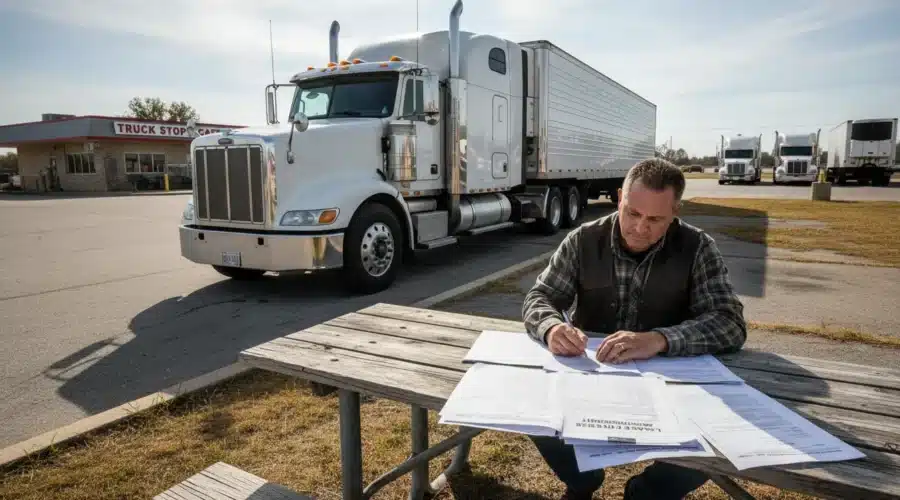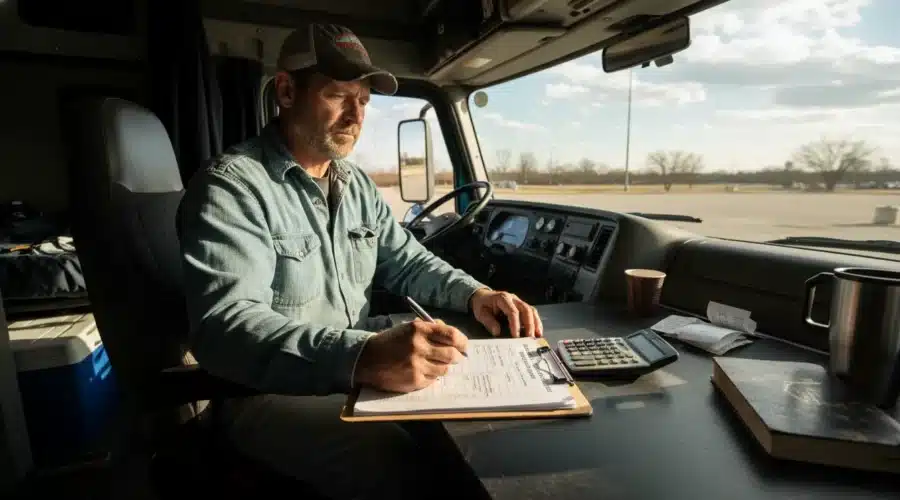
As an owner-operator, you wear a lot of hats. You’re the driver, the mechanic, the accountant, and the CEO. But the one hat that can take up the most time is that of the dispatcher. Every hour you spend scrolling through load boards, negotiating with brokers, and handling paperwork is an hour you aren’t on the road earning. This is where a great dispatch service comes in. They take on the back-office grind, freeing you to focus on what you do best: driving. The challenge isn’t deciding if you need help; it’s finding a partner you can trust. This guide is designed to help you find the best dispatch service for owner operators by breaking down what to look for, what to avoid, and how to build a partnership that truly drives your business forward.
Key Takeaways
- Choose a partner, not just a load finder: The right dispatch service acts as your back office, handling rate negotiations and paperwork so you can focus on driving and increasing your revenue.
- Weigh the costs of DIY vs. professional dispatch: Handling your own dispatch saves you a commission fee but costs you valuable time. A professional service costs money but can secure higher-paying loads and free you up to earn more on the road.
- Prioritize transparency and flexibility: Before signing anything, get clear answers on all fees, contract terms, and load refusal policies. A trustworthy partner will offer straightforward pricing and respect your independence as an owner-operator.
What Is a Dispatch Service?
Think of a dispatch service as your business partner on the ground. While you’re behind the wheel focusing on the road, a dispatcher is working behind the scenes to keep your business moving forward. Their main job is to manage the logistics of your operation, from finding profitable loads and negotiating rates to handling the endless stream of paperwork. Essentially, they take on the back-office tasks that can eat up your time and energy, freeing you to do what you do best: drive.
For an owner-operator, this partnership can be a game-changer. Instead of spending your downtime scrolling through load boards and making calls to brokers, you can rely on a professional to line up your next job. They handle the rate confirmations, credit checks, and communication, ensuring you have a steady flow of quality freight. This allows you to maximize your earning potential by keeping your wheels turning. Good dispatch services provide the kind of comprehensive logistics support that helps independent drivers thrive, but it’s important to remember that not all dispatchers are created equal. Finding the right one is key to building a successful partnership.
How dispatching works
The process is pretty straightforward. Once you partner with a dispatch service, you’ll share your preferences, including your desired lanes, rate per mile, and how often you want to get home. Your dispatcher then uses their tools and industry connections to find loads that match your criteria. They tap into load boards, leverage relationships with brokers, and keep an eye on market trends to find the best opportunities. When they find a good match, they negotiate the rate and terms on your behalf before presenting the load to you for approval.
This is the core difference from self-dispatching, where you are responsible for all your own load procurement, route planning, and administrative work. With a service, once you accept a load, the dispatcher handles the setup packet with the broker and sends you all the necessary information. Your main job is to pick up the load and deliver it safely.
The benefits for owner-operators
The most obvious benefit of using a dispatch service is saving time. Less time spent searching for freight means more time on the road earning money. But the advantages go beyond that. A skilled dispatcher is also an expert negotiator who understands market rates and can often secure higher-paying loads than you might find on your own. They can help you maximize your earnings by keeping you loaded and moving efficiently.
There’s also the peace of mind that comes with offloading administrative stress. Chasing down detention pay, handling invoices, and dealing with broker communications can be draining. A good dispatch service manages these tasks for you. Plus, they often have established relationships with a wide network of brokers and shippers, giving you access to more consistent and higher-quality freight opportunities that might otherwise be hard to find.
When to hire a dispatch service
Deciding to hire a dispatcher is a personal business decision. It’s often a great move for new owner-operators who are still learning the industry. A service can provide valuable support and guidance while you get your business off the ground. It’s also a smart choice if you’re looking to scale your operation or if you simply want to focus entirely on driving without the headache of back-office management.
During slow market conditions, a dispatcher’s connections can be especially valuable in finding freight when it’s scarce. However, it’s important to weigh the pros and cons. Dispatch services charge a fee, typically a percentage of the load, which reduces how much money you take home on each job. The key is to determine if the time you save and the potentially better rates they secure are worth the cost.
The Best Dispatch Services for Owner-Operators
Finding the right dispatch support can make or break your business as an owner-operator. Whether you want a dedicated partner to find your loads or powerful tools to dispatch for yourself, the right service gives you the freedom to focus on driving. Different services offer different levels of support, from full-service logistics management to robust load boards that put you in the driver’s seat.
The key is to find a partner or a tool that aligns with your business goals, freight specialty, and how you like to work. A great dispatch service should feel like a true partner, one who understands your needs and is committed to keeping your truck loaded and profitable. We’ve gathered some of the top options available to owner-operators, each with its own unique approach to helping you succeed on the road.
AG Express Line
When you partner with AG Express Line, you get more than just a truck; you get a built-in support system. We handle the logistics so you can concentrate on the road. For drivers in our Rent 2 Own program, dispatching isn’t another task to manage. We provide consistent, high-quality freight opportunities and manage the back-end details. This integrated approach means you have a reliable partner invested in your success from day one. You get the independence of being an owner-operator with the steady work and expert support of an established carrier, giving you a clear path to building your business.
Mercer Transportation
With over 45 years of experience working exclusively with owner-operators, Mercer Transportation has built a reputation for putting drivers first. They give you the flexibility to choose your own loads from a massive internal load board. If you prefer a more personal touch, you can work with one of their “Personal Load Coordinators” who helps you find freight that fits your schedule and preferences. Mercer’s model is all about providing the freedom and support you need to operate your business your way, making them a long-standing favorite among independent drivers who value autonomy and choice.
FleetCare
If you’re looking for a comprehensive service that handles more than just dispatch, FleetCare is a strong contender. They position themselves as a full-service logistics partner for owner-operators and small fleets, managing everything from load booking to safety and accounting. Their model is designed to help you operate more efficiently and profitably. FleetCare is known for its straightforward pricing, charging a low percentage-based fee for their services. This makes them an attractive option for drivers who want to outsource their back-office tasks and focus entirely on driving, all for a clear and predictable cost.
DAT Load Board
For the owner-operator who wants to take full control and act as their own dispatcher, the DAT Load Board is an essential tool. Instead of paying a dispatcher a percentage of your earnings, you pay a flat subscription fee for access to one of the largest and most active load boards in the industry. This approach allows you to find your own high-paying freight, negotiate your own rates, and keep more of your revenue. Dispatching for yourself with DAT requires more hands-on work, but it offers maximum control and profit potential for the entrepreneurial driver.
Trucker Path
Trucker Path is another excellent resource for drivers who prefer to manage their own dispatching. It’s more than just a load board; it’s a comprehensive mobile app designed to be an all-in-one tool for life on the road. You can find loads, plan truck-safe routes, locate weigh stations, and find parking all within the app. The Trucker Path load board gives you direct access to thousands of loads from brokers and shippers, allowing you to find and book freight right from your phone. It’s a modern, tech-forward solution for the owner-operator who wants powerful tools at their fingertips.
More dispatchers to consider
As you explore your options, you’ll find countless independent dispatch services available. When the market is slow, many drivers start looking for a dispatcher to help them find quality loads. However, it’s worth considering the advice shared in driver forums. Some experienced owner-operators suggest that if you need the level of support a dispatch service provides, you might be better off working directly with a carrier that handles dispatching for you. This can sometimes be a more straightforward and cost-effective way to secure consistent freight without adding another percentage-based fee to your expenses.
What to Look For in a Dispatch Service
Choosing a dispatch service is one of the most important business decisions you’ll make as an owner-operator. Think of it less like hiring a vendor and more like bringing on a business partner. This person or team will be your advocate on the road, your eyes and ears in the market, and the administrative backbone of your operation. The right dispatcher does so much more than just find you loads; they manage the endless phone calls, handle the tedious paperwork, and fight to get you the pay you deserve. This frees you up to do what you do best: drive safely and efficiently.
When you find a great dispatch partner, the impact on your business is immediate. You’ll see better rates, more consistent work, and less time sitting empty. More importantly, you’ll get some of your time back. Instead of spending your downtime searching load boards and negotiating with brokers, you can rest, spend time with family, or focus on the bigger picture of growing your business. As you start evaluating your options, it’s crucial to look beyond the commission percentage. You need a service that offers a powerful combination of industry expertise, reliable support, and transparent practices. This partnership is the key to building a profitable and sustainable career on the road.
Expert load negotiation
Your dispatcher should be a skilled negotiator who knows how to get you the best rates. They have a deep understanding of current market conditions and know what a lane is worth on any given day. A good dispatcher won’t let you accept cheap freight just to get you moving. Instead, they’ll work with brokers to secure profitable loads that make sense for your business. This expertise is one of the most valuable things a dispatch service offers, as it directly impacts your weekly revenue and overall profitability. Don’t be afraid to ask potential dispatchers about their negotiation strategies and how they stay on top of market rates.
The right tech and tools
In trucking, efficiency is everything. The best dispatch services use modern technology to streamline operations and save you time and money. Look for companies that use advanced Transportation Management Systems (TMS), have access to premium load boards, and offer tools for things like route optimization and digital paperwork. Some even provide solutions for toll management, which can be a huge administrative headache. When your dispatcher uses the right tech, it means less time spent on phone calls and emails and more time with your wheels turning. This efficiency translates into a smoother workflow and more resources for you to grow your business.
Reliable support
The road doesn’t operate on a 9-to-5 schedule, and neither should your support system. As an owner-operator, you need a dispatch team that’s available whenever you need them. Whether you run into an issue at a shipper late at night or need help with a lumper fee on a weekend, having access to 24/7 support is critical. A reliable dispatcher is your lifeline, ready to help you solve problems as they arise. When you partner with a company like AG Express Line, you’re not just a number; you’re part of a team that provides the dedicated support you need to succeed.
Clear and honest pricing
Transparency is non-negotiable when it comes to fees. Before signing on with any dispatch service, make sure you have a crystal-clear understanding of their pricing structure. Watch out for vague terms or hidden costs that can eat into your profits. Some companies may have forced dispatch or charge extra for services you don’t need. A trustworthy partner will be upfront about their commission rates and any additional fees. Ask for a complete breakdown of costs so you know exactly what you’re paying for. This kind of financial clarity is the foundation of a healthy business relationship.
Flexible contract terms
Be cautious of dispatch services that try to lock you into long, rigid contracts. A one-year commitment might sound standard, but it can become a problem if the service isn’t meeting your expectations. It’s essential to read any contract carefully before you sign. Look for a service that is confident enough to earn your business every week, not one that relies on a restrictive agreement to keep you. Companies that offer flexible, no-strings-attached terms, like our Rent 2 Own program, demonstrate a true partnership mentality. They believe in their service and give you the freedom to make the best choice for your business.
Specialists in your freight niche
Not all freight is created equal. A dispatcher who specializes in your specific niche, whether it’s reefer, flatbed, or dry van, will have the industry connections and knowledge to find you better loads. They understand the unique requirements of your equipment and have established relationships with the right brokers and shippers. This is especially important when the market is slow and good loads are harder to find. A specialist can often secure more consistent, higher-paying freight because they know exactly where to look and who to talk to. Their focused expertise can give you a significant competitive edge.
The Cost of Dispatch Services: Is It Worth It?
Hiring a dispatch service is a real investment in your business, and like any investment, you need to know if it’s going to pay off. The right dispatcher can be a game-changer, finding you high-paying loads and handling the administrative headaches so you can focus on driving. The wrong one, however, can quickly eat into your profits with high fees and poor service.
So, is it worth it? The answer depends on your business goals, your willingness to handle logistics, and the quality of the service you choose. A great service frees you up to do what you do best: drive. It can give you access to better freight, reduce your empty miles, and take the stress of rate negotiations off your plate. But it comes at a price. Let’s break down the costs so you can decide what makes the most sense for your owner-operator business.
Understanding commission and fees
The most common payment structure you’ll see is a percentage-based commission. Many owner-operators pay around 5% to 10% of their gross revenue per load to a dispatcher. This model can be great because your dispatcher is motivated to find you the best-paying loads; when you make more, they make more.
Other services might offer a flat fee per load or a flat weekly rate. A flat fee gives you predictable costs, which can make budgeting easier. However, it might mean the dispatcher has less incentive to negotiate for top dollar on your behalf. It’s important to do the math and see which model aligns best with your expected earnings and workload.
Watch out for hidden costs
Before you sign any contract, you need to get a crystal-clear picture of all potential charges. Some dispatch companies have a reputation for tacking on extra fees that weren’t obvious upfront. Be on the lookout for hidden costs like setup fees, cancellation penalties, or extra charges for paperwork processing.
Another major red flag is “forced dispatch.” This is when a company requires you to take whatever load they assign you, taking away your freedom to choose your routes and schedule. This completely undermines your independence as an owner-operator. Always ask for a detailed fee schedule and read the contract carefully to ensure you know exactly what you’re paying for and maintain control over your truck.
How to calculate your ROI
To figure out if a dispatch service is truly worth the money, you need to look beyond the fees and calculate your return on investment (ROI). Start by thinking about the value of your time. How many hours a week do you spend searching load boards, making calls, and handling billing? Now, what is that time worth? Every hour you spend on administrative tasks is an hour you aren’t driving and earning.
A good dispatcher doesn’t just find you loads; they build relationships with brokers and shippers to negotiate more favorable rates on your behalf. They can often secure better-paying freight than you might find on your own, which can easily cover their commission. Add up the potential for higher earnings and the value of your saved time, then subtract the dispatcher’s fee. If the number is positive, the service is likely a solid investment.
Dispatch service vs. DIY: A cost breakdown
Choosing between a dispatch service and handling it yourself comes down to comparing direct and indirect costs. With a service, the cost is straightforward: their commission or flat fee. It’s a line item in your budget.
On the other hand, self-dispatching involves its own set of expenses. You’ll need to pay for subscriptions to load boards, and more importantly, you’ll pay with your time. The hours you spend finding your own freight are hours off the road. There’s also an opportunity cost to consider. An experienced dispatcher with a strong network might have access to exclusive, higher-paying loads you’d never see. For many drivers, especially those just starting their own authority, the cost of a professional service is easily offset by the increased revenue and reduced stress.
Going Solo: Should You Be Your Own Dispatcher?
Taking the wheel of your own business is a huge step, and one of the biggest decisions you’ll make is how to handle your loads. Hiring a dispatch service is one option, but many owner-operators choose to manage their own freight. Going solo gives you ultimate control, but it’s not without its challenges. Let’s break down what it really means to be your own dispatcher.
The pros and cons of DIY dispatching
The main reason drivers choose to self-dispatch is simple: you keep more of your money. Traditional dispatch services take a percentage of every load, which adds up over time. When you find and book your own freight, that commission stays in your pocket. You also get the final say on everything. You decide which loads to take, what rates you’ll accept, and where you want to go. This level of control helps you build a business that truly fits your life. On the flip side, dispatching is a job in itself. It means more time spent on the phone and computer, handling negotiations and paperwork when you could be driving or resting.
Skills and tools you’ll need to succeed
To succeed as your own dispatcher, you’ll need more than just driving skills. Strong negotiation and communication are essential for getting the best rates from brokers. You also need to be organized enough to manage load details, schedules, and invoicing without letting anything fall through the cracks. Luckily, you don’t have to do it all from scratch. Technology is your best friend here. Using a quality load board gives you access to the same information professional dispatchers use. You can see average market rates for different lanes, check broker credit scores, and find thousands of available loads, putting you in a much stronger position to negotiate.
How much time does self-dispatching take?
Let’s be real: the trucking lifestyle is already demanding. Adding dispatching to your plate means you’re almost always on the clock. Finding the right load isn’t a quick search; it involves calling brokers, negotiating rates, and completing paperwork before you even start your engine. After the haul, you still have to handle invoicing and follow up on payments. This isn’t a task you can squeeze into a 30-minute break. It requires dedicated time every single day. Many self-dispatching owner-operators find themselves working during evenings and weekends to stay ahead, so it’s crucial to be realistic about the time commitment before you dive in.
How to build a strong shipper network
Finding one-off loads is one thing, but building a reliable network of shippers and brokers is how you create long-term stability. The key is to be professional and consistent. When you work with a shipper, focus on great communication and on-time service. Once you’ve proven your reliability, you can start to negotiate better freight rates. Consider offering to handle a guaranteed volume of their business in exchange for more favorable, consistent work. Keeping an eye on market data, like the load-to-truck ratio in your area, also gives you an edge. When your truck is in high demand, you have more leverage to ask for the rates you deserve.
Common Dispatch Hurdles and How to Overcome Them
Working with a dispatch service can be a game-changer for your business, but it’s not always a straight road. Like any partnership, it comes with potential bumps. Knowing what to watch for can help you steer clear of trouble and build a relationship that keeps your wheels turning and your profits growing. From confusing contracts and communication gaps to the natural ups and downs of the freight market, let’s look at the most common challenges owner-operators face and how you can handle them like a pro.
Dealing with high fees and rigid contracts
One of the biggest headaches for owner-operators is getting tangled up in a bad contract. Some dispatch services come with high fees, hidden costs, or rigid terms that limit your freedom. You might even run into “forced dispatch,” where you have no say in the loads you take. Before you sign anything, read the agreement carefully. Ask questions about every single fee and make sure you understand the commission structure. Look for a partner who values transparency and flexibility. Your business success depends on your ability to make your own choices, so find a service that supports your independence, rather than restricting it.
Solving communication breakdowns
Clear and consistent communication is the fuel that keeps a good driver-dispatcher relationship running. When expectations aren’t clear, you can end up with missed opportunities and a lot of frustration. Set the ground rules from day one. Discuss how you’ll stay in touch, how often you’ll check in, and what information you both need to succeed. Be upfront about your preferences for lanes, load types, and home time. A good dispatcher wants to find you the best loads, and the more they know about your goals, the better they can help you. Remember, it’s a two-way street, so being a reliable communicator yourself will build trust and respect.
Handling market ups and downs
The trucking market can feel like a rollercoaster, with freight rates and demand constantly changing. A great dispatch service acts as your guide, helping you make smart decisions no matter which way the market turns. They should have deep market knowledge and the skills to find profitable loads even when things are slow. Your dispatcher should be more than just a load-finder; they should be a strategic partner who helps you optimize your routes, manage your time, and maintain a healthy cash flow. This proactive approach ensures you’re not just surviving the slow seasons but are ready to maximize your earnings when the market is hot.
Tips for a stronger partnership
Think of your dispatcher as a key member of your team. The stronger your partnership, the more successful you’ll both be. Building a solid reputation for reliability and professionalism will make you a go-to driver for your dispatcher’s best loads. When they know they can count on you, they’ll work harder to find opportunities that fit your needs. You can even negotiate better freight rates when you have a proven track record. Provide constructive feedback and be open to their suggestions. A relationship built on mutual respect and shared goals is the foundation for long-term success on the road.
How to Choose the Right Dispatch Service
Picking a dispatch service is one of the most important decisions you’ll make as an owner-operator. This isn’t just about finding loads; it’s about finding a true partner for your business. The right dispatcher acts as your advocate on the road, fighting for the best rates, handling the paperwork, and keeping you moving on your terms. They should understand your goals and work just as hard as you do to achieve them. A great partnership means less time stressing over logistics and more time focusing on driving and earning.
But a bad partnership can cost you time, money, and a lot of headaches. It can leave you stuck with cheap freight, unfavorable routes, and frustrating communication breakdowns. That’s why it’s so important to do your homework before signing any contracts. You need to vet potential dispatchers thoroughly to find one that aligns with your business model and respects your independence. Think of it like an interview where you’re the one in charge. This guide will walk you through exactly what to look for, what to ask, and what to avoid, so you can confidently choose a dispatch service that helps your business succeed.
First, define your business goals
Before you even start looking for a dispatcher, you need to know exactly what you want to achieve. You can’t find the right partner if you don’t know what you’re looking for. Start by outlining your business goals. What are your weekly or monthly revenue targets? What’s your ideal cost-per-mile? Are there specific lanes you want to run or avoid? Do you specialize in a certain type of freight, like reefer or flatbed? Thinking through these details will give you a clear set of criteria to measure potential dispatch services against. This clarity helps you find a service that can truly support your vision, whether that’s maximizing your income or getting you home every weekend.
Key questions to ask before you commit
Once you have a shortlist of potential dispatchers, it’s time to start asking tough questions. Don’t be shy; their answers will reveal a lot about how they operate. Start with the basics: What are your commission rates and fees? Is there a contract, and if so, what are the terms? Can you refuse a load without penalty? Then, dig a little deeper. Ask about their communication style, the technology they use, and their experience with your specific type of freight. A great way to find a reliable service is to see who other small fleets and owner-operators are using. Don’t hesitate to ask for references and speak with other drivers they work with.
Red flags to watch for
While you’re looking for green lights, it’s just as important to spot the red ones. A major warning sign is a lack of transparency, especially around pricing. If a dispatcher can’t give you a straightforward answer about their fees or tries to hide costs in the fine print, it’s best to walk away. Another huge red flag is forced dispatch. As an owner-operator, you are the boss, and you should always have the final say on the loads you haul. Be wary of any service that tries to take that control away from you. Finally, be cautious of long-term contracts with no easy exit clause. A reputable service will be confident enough in their performance to earn your business month after month, not lock you into a restrictive agreement.
Tips for negotiating a better deal
Remember, you are bringing value to the table, and you have the power to negotiate the terms of your partnership. Before you talk numbers, make sure you know your own, including your operating costs and profit goals. Use this information to advocate for a commission rate that works for you. You can often negotiate more favorable rates by highlighting your reliability and professionalism. If you have a great track record, use it as leverage. During the conversation, be assertive and clear about your needs, but always maintain a respectful tone. The goal is to create a win-win agreement where both you and your dispatcher feel valued and motivated to succeed together.
Making Your New Dispatch Service a Success
Choosing a dispatch service is a huge step, but it’s just the beginning. The real key to success is building a strong, collaborative partnership with your dispatcher. Think of them as your business partner on the road. You’re the expert behind the wheel, and they’re your expert in the office, finding the best loads and handling the administrative work so you can focus on driving. This relationship requires effort from both sides to work well.
From the moment you sign on, you should be focused on setting clear expectations, establishing open lines of communication, and tracking your progress together. A great dispatcher wants you to succeed because your success is their success. They should be transparent about their process, give you access to helpful tools, and be ready to work with you to meet your financial goals. When you find a service that operates like a true partner, you’re not just outsourcing a task; you’re building a team that can help your owner-operator business thrive. Let’s walk through how to make this new partnership a successful one right from the start.
What to expect during onboarding
Your first few weeks with a new dispatch service are all about getting set up for success. Expect to handle some initial paperwork, like signing a dispatcher-carrier agreement and providing your Certificate of Authority. You’ll also share important details about your truck, trailer type, and preferred lanes. A good dispatcher will use this time to get to know you and your business goals. Many professional dispatch services use powerful tools like the DAT load board to find quality loads, and they should be transparent about the tools they use. The onboarding process is your first glimpse into how they operate, so look for clear communication and a structured approach.
Establish clear communication from day one
Clear communication is the foundation of a great relationship with your dispatcher. From day one, establish how you’ll stay in touch. Do you prefer calls, texts, or emails? How often will you check in? Be upfront about your driving preferences, how many hours you want to be on the road, and what your weekly revenue goals are. A great dispatcher acts as a trusted partner, working with you to help you earn more and grow your business. This is the kind of partnership we foster in our Rent 2 Own program, where driver success is the top priority. Don’t be afraid to speak up and create a communication plan that works for both of you.
How to track your performance
To know if your dispatch service is truly working for you, you need to track the right numbers. Go beyond just looking at your weekly gross. Pay close attention to your average rate per mile (RPM), your deadhead miles, and your net profit after all expenses. Another helpful metric is the loads-to-trucks ratio in the lanes you’re running. Tracking this data helps you understand market demand and gives you the information you need to have productive conversations with your dispatcher about rates and load selection. By regularly reviewing your performance, you can work together to make adjustments and keep your business profitable.
More tools to help you succeed
Your dispatch service is a vital tool, but it’s not the only one you need. To really get ahead, consider using other resources that give you an edge. For example, tools like the DAT load board provide valuable information on average market rates and broker credit scores, which helps you and your dispatcher negotiate better prices. You might also look into a toll management solution to save time and money on the road. A great dispatch partner will often recommend tools that complement their services, because they are invested in the full scope of your success, much like we are with our comprehensive logistics services.
Related Articles
- How to Become a Truck Driver: A 2026 Guide
- AG Express line | Become your own boss with our rent 2 Own program
- What Is an OTR Driver? A Complete Career Guide
Frequently Asked Questions
How much does a dispatch service typically cost? Most dispatch services charge a percentage of the gross revenue for each load, usually somewhere between 5% and 10%. This model incentivizes them to find you higher-paying freight. Some services might offer a flat fee per week or per load, which makes your costs more predictable. Just be sure to ask for a complete breakdown of all fees so you aren’t surprised by hidden charges for things like paperwork or invoicing.
Will I lose control over my schedule if I hire a dispatcher? Not if you partner with the right service. A good dispatcher works for you, not the other way around. You should always have the final say on which loads you accept and which you turn down. One of the biggest red flags to watch for is “forced dispatch,” where a company requires you to take any load they give you. A true partner will respect your independence and work to find freight that fits your schedule and preferences.
What’s the difference between a dispatcher and a freight broker? Think of it this way: a dispatcher is on your team, while a broker works as a middleman for the shipper. Your dispatcher’s job is to represent your interests, finding you the best loads and negotiating rates on your behalf. A broker, on the other hand, is hired by a shipper to find a reliable truck to move their freight. You and your dispatcher will work with brokers to secure loads for your truck.
Is it better to hire a dispatcher or just use a load board myself? This really comes down to how you want to run your business. Using a load board yourself gives you maximum control and means you keep 100% of the load revenue, but it requires a lot of your time and strong negotiation skills. Hiring a dispatcher offloads all that administrative work, freeing you up to focus on driving. While it costs a percentage of your revenue, a great dispatcher can often secure higher rates that more than cover their fee.
As a new owner-operator, should I start with a dispatch service right away? It’s a very smart move for many new owner-operators. Getting your business off the ground involves a steep learning curve, and a dispatch service can provide crucial support. They handle the complexities of finding freight and managing paperwork while you focus on learning the ropes of being a business owner. This support can be invaluable in building a stable and profitable foundation for your company from day one.