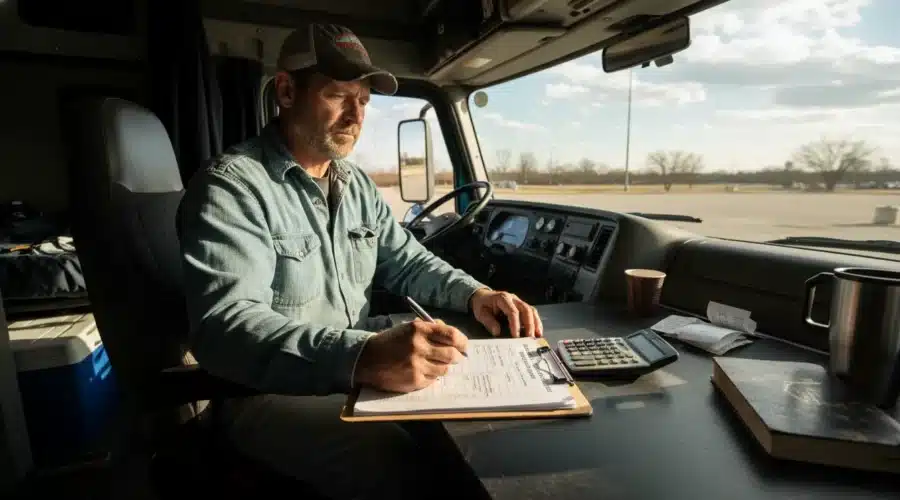
You have the skill, the drive, and the CDL. You know the industry inside and out. There’s just one thing standing between you and the independence of being an owner-operator: the truck. That six-figure price tag can feel like an impossible hurdle. But for thousands of drivers, it’s a challenge they overcome every year through smart financing. Understanding owner operator truck financing is the key to building your business potential. It’s about finding the right financial partner who believes in your success. In this guide, we’ll explore the different financing paths available, including options that don’t require a perfect credit score or a massive down payment.
Key Takeaways
- Prepare Your Financial Story: Before you approach any lender, get your documents in order. Having at least two years of tax returns, recent bank statements, and a simple business plan ready shows you’re a serious professional and makes the entire financing process much smoother.
- Partner with Trucking Specialists: Skip the traditional bank and connect with lenders who specialize in commercial trucks. They understand the industry, offer more flexible requirements, and have programs designed for drivers, which greatly improves your chances of getting approved.
- Explore All Paths to Ownership: A traditional loan isn’t your only choice. Carefully weigh the benefits of buying, leasing, or a rent-to-own program to find the route that best fits your financial situation and long-term goals, especially if you want to avoid a large down payment.
What is Owner-Operator Truck Financing?
So, you’re ready to be your own boss and leave the company driver life behind. The biggest hurdle is often the truck itself, and that’s where owner-operator truck financing comes in. Think of it as a loan created specifically for drivers who want to purchase their own semi-truck, upgrade their current one, or buy a trailer. This isn’t like getting a car loan or a generic business loan; it’s a specialized financial tool designed for the unique needs of the trucking industry. Securing this financing is one of the most important steps on your path to independence, giving you the capital you need to invest in your own business and future.
Common Financing Options
Most truck loans are “secured,” which simply means the truck you’re buying acts as collateral for the loan. This arrangement often makes lenders more comfortable and can help you get approved, as they have a way to recover their investment if the loan defaults. A key part of this process is the down payment. You should plan on putting down between 10% and 30% of the truck’s total cost. While some lenders might offer zero-down programs for drivers with exceptional credit, having a solid down payment saved up shows you’re serious and financially prepared for ownership.
Traditional Loans vs. Specialized Trucking Programs
When you start looking for a loan, you might find that your local bank isn’t the best place to go. Many traditional banks consider new trucking businesses to be high-risk and aren’t familiar with the value of commercial trucks, which can make it difficult to get approved. Instead, you’ll want to look for specialized lenders that focus on the trucking industry. These companies understand your business, know the equipment, and are often more flexible with their terms. They’re built to work with owner-operators. Beyond traditional loans, there are also alternative paths like lease-purchase and rent-to-own programs that offer a different way to get behind the wheel of your own truck.
Do You Qualify for Owner-Operator Financing?
Figuring out if you qualify for truck financing can feel like the biggest roadblock on your path to becoming an owner-operator. But it’s more straightforward than you might think. Lenders are looking for a few key things to feel confident in your ability to succeed, and it’s not always about having a perfect record. When you know what they’re looking for, you can prepare your application to show you’re a solid investment. Let’s walk through what you’ll need to have in order.
Your Credit Score and Financial History
Let’s clear up one of the biggest owner-operator misconceptions: you don’t need a flawless credit score to get financing for your truck. While a higher score certainly helps and can get you better interest rates, many lenders who specialize in commercial trucks are willing to work with drivers who have less-than-perfect credit. They understand the industry. What’s often more important is a solid down payment. Most lenders will want to see a deposit of 10% to 30% of the truck’s cost. This shows them you have skin in the game. If you do have excellent credit, you might even qualify for a loan with no money down.
Your Business Experience and Required Documents
Lenders want to see a track record of success, which is why they often prefer businesses that have been operating for at least two years. If you’re just starting out as an owner-operator, this can feel like a catch-22. This is where finding the right lender makes all the difference. Instead of going to a traditional bank, look for specialized financing companies that focus on commercial vehicles. These lenders know the trucking industry inside and out and are often more flexible. They understand that a new business doesn’t mean an inexperienced driver. Be prepared to provide your CDL, proof of insurance, and any business formation documents you have.
Proving Your Income and Saving for a Down Payment
A lender’s main goal is to confirm you can make your monthly payments. You’ll need to show a steady income history from your time as a company driver and project your potential earnings as an owner-operator. Having a well-thought-out business plan can really help here. Just as important is having cash saved for a down payment. It lowers the lender’s risk and reduces your monthly payment. Remember, the truck itself acts as collateral for the loan. This means if you default, the lender can repossess the truck to recover their money. This security makes lenders more willing to approve truck financing options for drivers.
What Interest Rates and Terms Can You Expect?
When you start looking at financing, you’ll see that interest rates and loan terms for semi-trucks can be all over the map. It’s not like getting a standard car loan. The final offer you receive will depend on a mix of your personal financial health, your business experience, and the lender you choose to work with. Understanding these moving parts will help you set realistic expectations and find the best deal for your future as an owner-operator.
The interest rate determines how much you pay for the loan, while the term is the length of time you have to pay it back. A lower interest rate is always better, but a longer term can make your monthly payments more manageable. It’s a balancing act, and knowing what lenders are looking for will put you in a much stronger position to negotiate.
Factors That Affect Your Interest Rate
Your interest rate isn’t a random number. Lenders calculate it based on the level of risk they feel they’re taking. The most significant factor is your personal credit history. A strong credit score shows you have a track record of paying back debts, which makes you a less risky borrower. If your credit history is a bit rocky, you can still get financing, but you should expect to see a higher interest rate. Other factors include the age and mileage of the truck you’re buying, the size of your down payment, and the length of the loan term.
Banks vs. Specialized Lenders
Getting a loan for a commercial truck is a specialized process, and your local bank might not be the best place to start. Many traditional banks view new trucking businesses as high-risk and are often hesitant to offer loans. They simply don’t have the expertise in this industry.
This is where specialized commercial lenders come in. These companies focus exclusively on the trucking industry. They understand the challenges and opportunities that owner-operators face. Because they know the business, they can be more flexible with their lending criteria and often have programs designed specifically for drivers. Working with a lender who speaks your language can make the entire process smoother and more successful.
How Much of a Down Payment Will You Need?
For most traditional financing options, you’ll need to have some cash saved up for a down payment. Lenders typically want to see that you have some skin in the game. Expect to put down anywhere from 10% to 30% of the truck’s total cost. If you have an excellent credit score, you might find some lenders willing to offer a zero-down-payment loan, but this is not the norm. A larger down payment can lower your monthly payments and may even help you secure a better interest rate. If a large down payment is a hurdle, exploring alternatives like a Rent 2 Own program can provide a different path to ownership without the upfront financial strain.
Common Roadblocks to Securing Financing
Getting the keys to your own truck is a huge step, but the financing process can feel like a mountain to climb. It’s true that lenders look closely at your application, and many drivers hit a few bumps along the way. The good news is that these challenges are common and definitely not impossible to overcome. Knowing what to expect makes all the difference. Let’s walk through some of the most frequent roadblocks and how you can prepare to handle them, so you can focus on building your business.
Overcoming a Bumpy Credit History
One of the biggest myths is that you need a flawless credit score to get financed. While a higher score helps, a few dings on your credit report don’t automatically disqualify you. Lenders understand that life happens. The key is to be upfront about your history and show you’re on the right track now. Many specialized lenders work specifically with truckers and can even help drivers who have had past financial troubles. Before you apply, pull your credit report to check for errors and see where you stand. This gives you a chance to address any issues and approach lenders with confidence.
Getting Your Paperwork in Order
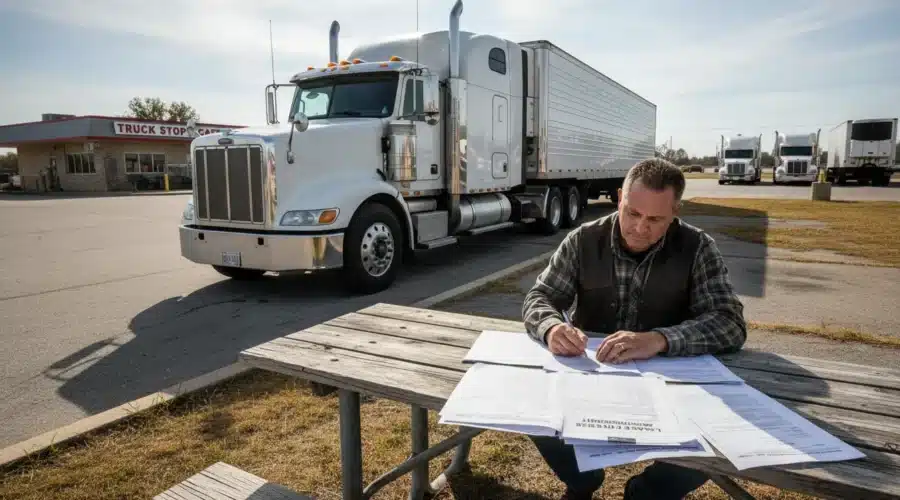
When you apply for financing, you’re not just a driver; you’re a business owner. Lenders need to see that you have your financial house in order, which means gathering your documents ahead of time. You’ll typically need at least two years of tax returns, recent bank statements, and if you’re already in business, your profit and loss statements. Having this paperwork ready shows you’re professional and serious. It gives the lender a clear picture of your financial health and ability to make payments. Remember, the truck itself serves as collateral, which can make lenders more willing to work with you.
Finding Options as a New Owner-Operator
Financing your first truck is a big decision, and it can be especially tough for new owner-operators. Lenders often see new businesses as a higher risk, which can lead to stricter requirements. For example, many traditional loans require a large down payment that’s difficult to save up when you’re just starting out. This is a major reason why many aspiring owner-operators explore different paths to truck ownership. Programs like lease-to-own or a Rent 2 Own alternative can provide a more flexible entry point, letting you get on the road without the immediate burden of a massive upfront investment.
Get Your Financial Documents Ready
Walking into a lender’s office with your paperwork in order is a power move. It shows you’re organized, professional, and serious about becoming an owner-operator. Having your financial documents ready from the start makes the entire process smoother and faster, removing a lot of the back-and-forth. It helps you build a strong case for your loan. Here’s what you’ll need to gather.
Tax Returns and Financial Statements
Think of your financial statements as your business’s report card. Lenders typically ask for at least two years of personal and business tax returns to see your financial history. You’ll also need a profit and loss (P&L) statement, which shows your income minus your expenses to prove your business is profitable. A balance sheet is another key document that gives a snapshot of your assets (what you own) and liabilities (what you owe). These documents simply tell the story of your hard work and financial discipline.
Bank Statements and Credit Reports
Lenders will want to see your recent bank statements to understand your cash flow. It’s a good idea to review these yourself to make sure everything looks clean. Your credit history is just as important. Lenders use your credit score to gauge your reliability in paying back debts. Before you apply, pull your own credit report to check for errors and see where you stand. Knowing your score, income, and existing debt helps you enter the conversation with a clear picture of what you can afford and shows you’re prepared for this next step.
Business Plan and Proof of Income
A business plan is your roadmap for success. It should explain how you’ll use the truck to make money, who your customers are, and how you plan to cover loan payments and operating costs. A simple, clear plan is best. Along with your plan, you’ll need proof of income, like recent pay stubs or settlement statements. This documentation proves you have a steady income stream to support your new venture. A solid business plan shows lenders you’ve done your homework and are ready for the road ahead.
Are There Special Financing Programs Available?
Getting financing for your first truck can feel like a huge hurdle, but you might be surprised by the number of programs designed to help. Many lenders and industry groups offer special financing options and discounts for association members, military veterans, and first-time buyers. If you fall into one of these categories, you could find a much smoother path to getting the keys to your own rig.
Discounts for Association Members
Joining a professional trucking organization is more than just networking; it can come with serious financial perks. For example, members of the Owner-Operator Independent Drivers Association (OOIDA) can get discounts of up to $6,000 on certain used semi-trucks. That kind of discount can make a world of difference, freeing up cash for insurance or permits. Many lenders also offer specialized semi-truck financing programs with favorable terms for members. It’s worth researching which associations align with your goals to see what benefits they offer.
Incentives for Veterans and Other Groups
Your service to the country can open doors in the trucking industry. Many financing programs offer special incentives for military veterans to support their transition into a new career. Through some initiatives, veterans can save up to $6,500 on a used semi-truck. This is a tangible benefit that acknowledges your dedication and reduces the initial financial burden of becoming an owner-operator. If you’re a veteran, always ask lenders about any specific programs or discounts they have for you. You’ve earned it.
Programs for First-Time Owner-Operators
Don’t have a long history as a business owner? That’s okay. Some lenders specialize in helping new drivers get their start. These companies often have more flexible requirements than traditional banks and offer specialized financing for new owner-operators. Some programs even include 0% down payment options, which is a game-changer when you’re trying to get on the road without draining your savings. Even if you’ve had financial bumps in the past, like a bankruptcy, don’t count yourself out. Many of these lenders are willing to look at your whole story, not just a credit score.
Buy, Lease, or Rent-to-Own: What’s the Right Path for You?
Deciding how to get your first truck is one of the biggest choices you’ll make as an aspiring owner-operator. The path you choose will impact your finances, your freedom, and your future. Let’s break down the three main routes: buying, leasing, and a rent-to-own model, so you can figure out which one aligns with your goals.
The Pros of Buying Your Truck
Buying your truck outright is the ultimate move for independence. When you own your rig, you call all the shots. You can customize it to your exact specifications for comfort and efficiency, and you have total freedom to choose your loads and routes. Every dollar you earn from a load (after expenses) goes directly into your pocket, which can lead to greater long-term profitability. This path offers the most control and the highest earning potential. However, it also requires a significant upfront investment and the responsibility of managing all maintenance and repairs, which can be a major financial hurdle for many drivers just starting out.
The Pros of a Lease-Purchase Agreement
If the sticker shock of buying a new truck is too much, a lease-purchase agreement can be a solid middle ground. These programs offer a structured path to ownership with a much lower upfront investment than a traditional loan. You get to operate as an owner-operator and build your business while your lease payments go toward eventually owning the truck. This route allows you to test the waters of the owner-operator life before you’re fully committed to a massive purchase. Just be sure to read the fine print, as the terms, interest rates, and conditions of lease-purchase agreements can vary widely from company to company.
The AG Express Line Rent 2 Own Alternative
For drivers who want maximum flexibility with minimum risk, there’s another way. Our Rent 2 Own program was designed for you. This approach lets you step into the owner-operator role without the long-term, binding contracts of a traditional lease or the massive debt of a purchase. You get the keys to a well-maintained truck and the freedom to run your business, all while keeping 80% of the gross load. It’s the perfect way to build your business, save money, and decide if ownership is right for you on your own terms. There are no strings attached and no balloon payments. If this sounds like the opportunity you’ve been waiting for, you can apply now to get started.
Ready to Apply? Here’s How to Secure Financing
You’ve done your homework, organized your paperwork, and built a solid plan. Now, it’s time to take that exciting next step and apply for financing. This part of the process can feel like the final hurdle, but going in with the right information makes it much more manageable. Let’s walk through how to find a lender who gets it, what to expect from the application, and how to choose an offer that truly works for your new business.
What to Expect from the Application Process
First, it’s helpful to know that getting a loan for a semi-truck is different from getting a car loan. Most traditional banks don’t offer them because they often view new trucking businesses as a high-risk investment. Instead of heading to your local bank branch, you’ll need to find companies that specialize in commercial vehicle lending. These lenders focus specifically on the trucking industry and are much more familiar with your goals.
The application itself will be thorough, but the process is straightforward. Be prepared to make a down payment, which is typically between 10% and 30% of the truck’s total cost. Having this ready shows lenders you’re serious and financially prepared for ownership. Finding the right semi truck financing is about partnering with experts who understand your journey.
Why You Should Work with a Trucking-Focused Lender
Partnering with a lender who lives and breathes the trucking industry can make all the difference. These specialists understand that your truck isn’t just a vehicle; it’s a business asset that generates income. Because the truck itself serves as collateral, they are often more willing to fund your purchase. They know its value and can recover the asset if the loan defaults, which makes them more comfortable taking on the risk.
Another major advantage is flexibility. Unlike many regular banks, trucking-focused lenders are often willing to work with drivers who have a few bumps in their credit history. They understand the realities of the road and are more interested in your overall financial picture and work ethic. Many offer owner operator startup loans specifically designed to help professional drivers get their businesses off the ground.
Choosing the Best Offer for Your Business
Once you start receiving offers, don’t just jump at the first one. Take a moment to carefully compare your options to find the best fit for your business goals. A good lender will be flexible, offering you different choices for your down payment amount, interest rate, and the length of your loan term. They should be able to look at your individual situation and structure a deal that sets you up for long-term success, not just short-term approval.
Look closely at the details of each offer. What are the total costs over the life of the loan? Are there any prepayment penalties? Also, don’t forget to ask about any special programs or discounts. Some lenders offer better terms for veterans or members of certain trucking associations. Finding the right financing for new owner operators is about securing a partner who invests in your future.
Related Articles
- How to Become a Truck Driver: A 2026 Guide
- What Is an OTR Driver? A Complete Career Guide
- AG Express line | Become your own boss with our rent 2 Own program
Frequently Asked Questions
Do I need perfect credit to get financed for a truck? Not at all. While a strong credit score will certainly help you get better interest rates, it’s not a deal-breaker. Many lenders who specialize in commercial trucks are willing to work with drivers who have a less-than-perfect credit history. They are often more interested in your work experience, your business plan, and your ability to make a solid down payment.
How much money do I really need for a down payment? You should plan on having between 10% and 30% of the truck’s total cost saved for a down payment. This is the standard for most lenders. Putting money down shows you are financially committed and lowers the lender’s risk, which can also reduce your monthly payment. While some programs for drivers with excellent credit might offer zero-down options, having a down payment ready is the most reliable approach.
What are my options if I’m a new owner-operator without a long business history? This is a common challenge, but you have good options. Instead of going to a traditional bank, you should look for lenders that focus specifically on the trucking industry. These companies understand that a new business doesn’t mean an inexperienced driver. You can also explore alternatives like lease-purchase or rent-to-own programs, which provide a path to ownership with a much lower upfront financial commitment.
Why can’t I just get a loan from my local bank? Most traditional banks consider new trucking businesses to be high-risk investments and aren’t familiar with the value of commercial trucks as collateral. This often makes it difficult to get approved. You will have much better success working with a specialized lender who understands the trucking industry, knows the equipment, and has financing programs designed specifically for owner-operators.
How is a Rent 2 Own program different from a traditional lease-purchase agreement? The main difference is flexibility and commitment. A traditional lease-purchase agreement is often a long-term, binding contract with specific terms you must follow to eventually own the truck. A Rent 2 Own model, like the one we offer, gives you the freedom of being an owner-operator without the long-term contract or heavy debt. It allows you to build your business and save money on your own terms, with no strings attached.